Tips for Choosing the Best General Contractor for Your Home Renovation Project
Choosing the ideal general contractor is crucial for a successful home renovation. Property owners must consider multiple factors, including background, credentials, and ability to communicate. A well-informed decision can prevent costly mistakes and secure a more efficient process. However, working through the selection process can be challenging. What key aspects should one examine? What questions are essential during preliminary consultations? Understanding these elements can significantly influence the renovation experience.
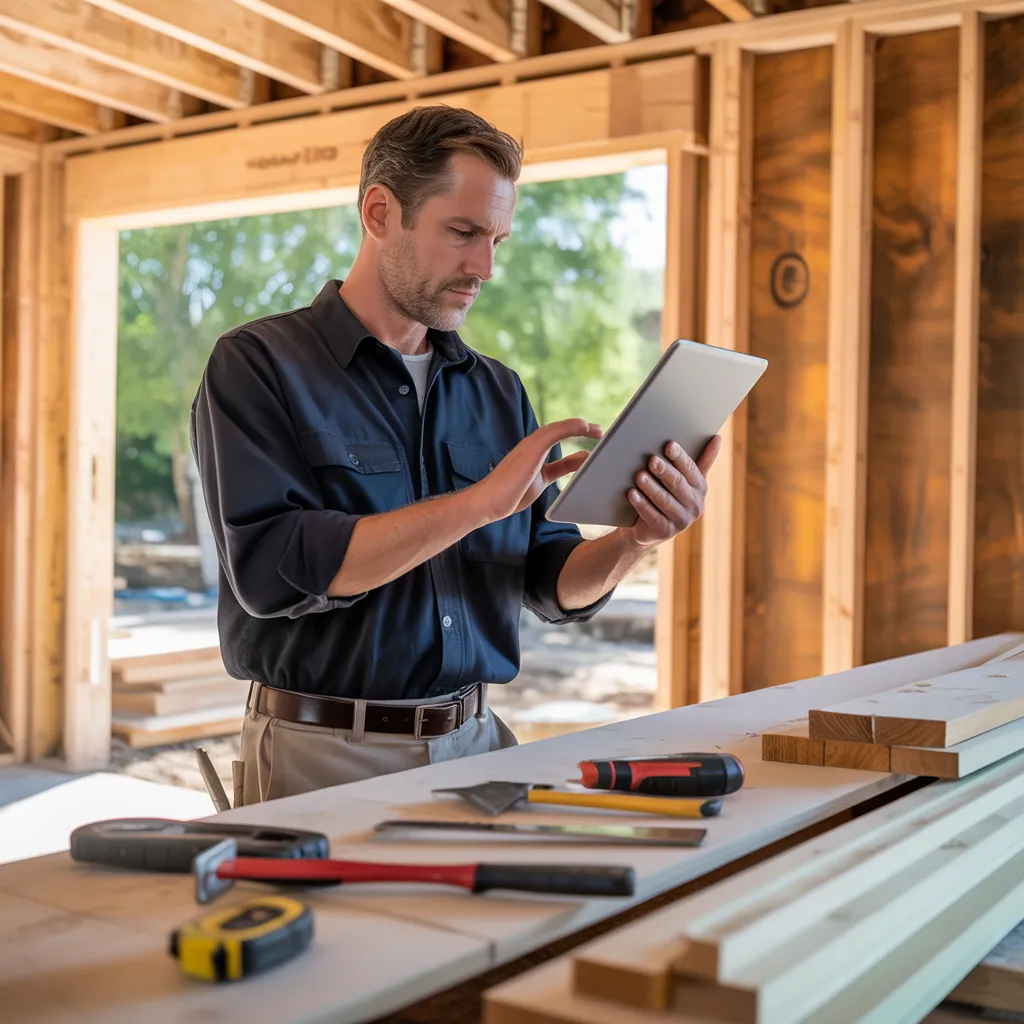
What Kind of Experience Should You Seek in a Contractor?
When choosing a home renovation contractor for home renovation, it is essential to evaluate their industry experience. A contractor's track record can significantly impact the efficiency and quality of the renovation project. First, prospective clients should search for contractors with a demonstrated history in similar projects, ensuring familiarity with unique challenges and effective solutions.
Moreover, extensive experience can reflect a contractor's skill in overseeing timelines, budgets, and subcontractors effectively. It is also beneficial to inquire about their portfolio, featuring previous work that reflects the homeowner's desired outcome.
Furthermore, contractors knowledgeable about local building requirements and regulations can help prevent potential legal issues. Lastly, a contractor's capacity to supply references from past clients can provide insight into their reliability and professionalism. By closely examining these criteria, homeowners are better equipped to make a sound decision when selecting a general contractor for their home improvement project.
How to Validate a Contractor's Credentials and Referrals
How do homeowners confirm they are working with a qualified contractor? Confirming a contractor's credentials and references remains absolutely essential. The first step for homeowners is to check for appropriate licensing and insurance, making sure the contractor satisfies local requirements. This can typically be done through state or local licensing boards. Moreover, ensuring that the contractor holds liability insurance and worker's compensation coverage safeguards homeowners against potential financial liabilities.
In addition, homeowners should seek references from past clients. A dependable contractor should supply a list of previous projects, including contact information. Reaching out to previous clients can offer helpful insights about the contractor's professionalism, communication skills, and punctuality.
Customer reviews and ratings on platforms such as Angie's List and Yelp can also offer further insight. By conducting thorough research and gathering multiple perspectives, homeowners can make an informed decision, improving the chances of a successful renovation project.
Key Questions to Ask During Your Initial Consultation
Once they have verified a contractor's credentials and references, homeowners should prepare for the first consultation by preparing targeted questions. Important queries should concentrate on the contractor's experience with similar projects, including timelines and potential challenges. Homeowners should furthermore question the contractor's strategy for project oversight and communication, guaranteeing they will be provided with consistent progress reports during the renovation.
Furthermore, reviewing the contractor's favored subcontractors can shed light on the standard of work that can be expected. It is essential to inquire about necessary permits and how the contractor handles inspections. Homeowners should also seek clarification on the payment schedule and any upfront costs involved. Understanding the contractor's warranty policies and how they address potential issues post-completion is vital as well. By asking these targeted questions, homeowners can gauge whether the contractor aligns with their vision and needs for the renovation project.
How to Break Down Project Estimates and Contracts
Analyzing renovation estimates and agreements is crucial for homeowners to grasp the financial elements of their remodeling endeavor. Critical elements such as timelines, labor, and materials play a significant role in the overall cost. Furthermore, clarifying contract terms ensures that all parties have a shared awareness of expectations and obligations.
Key Estimate Components
Comprehending the critical elements of renovation estimates is crucial for property owners beginning renovations. A detailed estimate generally covers workforce costs, materials pricing, and overhead charges. Labor costs account for the wages for skilled workers, which can fluctuate based on expertise and renovation demands. Materials pricing should itemize measurements and grades, allowing homeowners to assess value and durability. Operational charges, encompassing permits and insurance, provide insight into the contractor's operational costs. In addition, contingency funds are often included to address unexpected expenses, ensuring a smoother renovation process. Homeowners should also expect a clear timeline and payment schedule to set clear expectations. Analyzing these factors enables property owners make informed decisions and fosters transparent communication with their chosen contractor.
Understanding Contract Terms
A complete understanding of contract terms is essential for homeowners overseeing renovation projects. Contracts generally detail the scope of work, payment schedules, and timelines, guaranteeing that all parties remain in agreement. Homeowners should carefully review the itemized estimates, which break down costs for materials, labor, and permits, offering clarity. Key terms to reflect on include change orders, which detail how modifications to the project will be handled and priced. Additionally, homeowners should take note of warranty terms, which provide coverage against flaws in workmanship or materials. Comprehending these aspects enables homeowners to make knowledgeable decisions and aids in avoiding conflicts or miscommunications throughout the renovation, ultimately leading to a smoother project experience. Proper comprehension of contract terms is crucial for a successful collaboration with contractors.
Appreciating the Role of Communication Style With Your Contractor?
How well a homeowner communicates with their general contractor can greatly impact the outcome of a remodeling project. A clear communication style encourages clarity and confirms that both parties are aligned on goals, schedules, and financial plans. Homeowners ought to evaluate how contractors communicate updates, whether through in-person meetings, emails, or progress reports.
A contractor who pays close attention and replies considerately can assist in easing worries and resolving problems in a timely manner. Furthermore, it is vital for homeowners to feel confident voicing their suggestions and concerns. An open dialogue allows for collaboration, which can lead to better decision-making and innovative solutions.
When assessing prospective contractors, homeowners ought to evaluate how well they can engage in constructive conversations. This harmony in conversational methods can greatly enhance the overall renovation experience, confirming that the project moves forward seamlessly and fulfills the homeowner's expectations. In the end, clear communication establishes the foundation for a productive relationship.
What Warning Signs Suggest a Contractor Isn't the Right Fit for You?
Spotting potential red flags in a contractor is vital to ensuring a successful renovation. Poor communication habits and insufficient licensing can signal deeper issues that may affect the project. Homeowners must stay alert to guarantee they choose a reliable contractor for their needs.
Vague Communication Practices
Clear communication acts as the foundation of every successful home remodeling endeavor. While assessing a general contractor, vague communication patterns can suggest future complications. Red flags include inconsistent messaging, vague answers to inquiries, and difficulty in scheduling meetings. When a contractor consistently misinterprets project specifications or neglects to deliver progress reports, it raises concerns about their commitment and reliability. Additionally, a lack of transparency regarding timelines, costs, and valuable resource processes can indicate disorganization or unprofessionalism. Qualified contractors ought to explain specifics and resolve issues in a timely manner. A contractor who avoids direct communication or dismisses questions may not prioritize the homeowner's interests, potentially compromising the overall outcome of the renovation. Open communication remains critical for fostering trust and securing a successful home improvement journey.
Failure to Obtain Proper Licensing
Open communication is critical in establishing a strong working relationship with a general contractor, but it is also essential to guarantee that the contractor possesses the necessary qualifications. The absence of proper licensing acts as a significant concern when evaluating potential contractors. Certified contractors are often required to adhere to state requirements, ensuring that they demonstrate the experience and expertise necessary to complete renovation projects in a safe and effective manner. Homeowners are advised to confirm a contractor's license with local authorities or online databases. Furthermore, a reluctance to provide licensing information or proof of insurance may signal unprofessional conduct. Confirming that a contractor is fully licensed not only protects the homeowner but also enhances the complete success of the renovation project.
Common Questions and Answers
How Do I Find Out if a Contractor Is Insured?
To verify whether a contractor is properly insured, you should obtain evidence of insurance, including liability and workers' compensation coverage. Verifying these documents guarantees that the contractor is financially responsible for any accidents or potential damages.
What Are My Options if a Contractor Keeps Missing Deadlines?
Should a contractor fall behind on deadlines, the homeowner ought to address concerns openly, consult the contract for specific terms, and keep a record of delays. Seeking a resolution through discussion or mediation can assist in setting clear expectations and keeping the project on track.
What Are My Options for Handling Contractor Disputes?
To handle disagreements with a contractor, you should maintain thorough documentation of all exchanges, communicate concerns explicitly, and seek resolution through dialogue. Should the matter remain unresolved, explore mediation or consult legal counsel to defend your rights and secure your interests.
Are Specific Permits Required for My Renovation Project?
The permits required for renovations vary based on local regulations and the scope of the project. Typically, building, electrical, plumbing, or zoning permits are required. Consulting with local authorities guarantees compliance and helps avoid potential legal issues during the renovation process.
How Do I Keep My Home Safe Throughout the Renovation Process?
To safeguard a home throughout renovations, homeowners should protect floors with coverings, seal off work areas, maintain sufficient airflow, protect valuable belongings, and maintain clear communication with contractors about safety protocols and project timelines to reduce interruptions.